
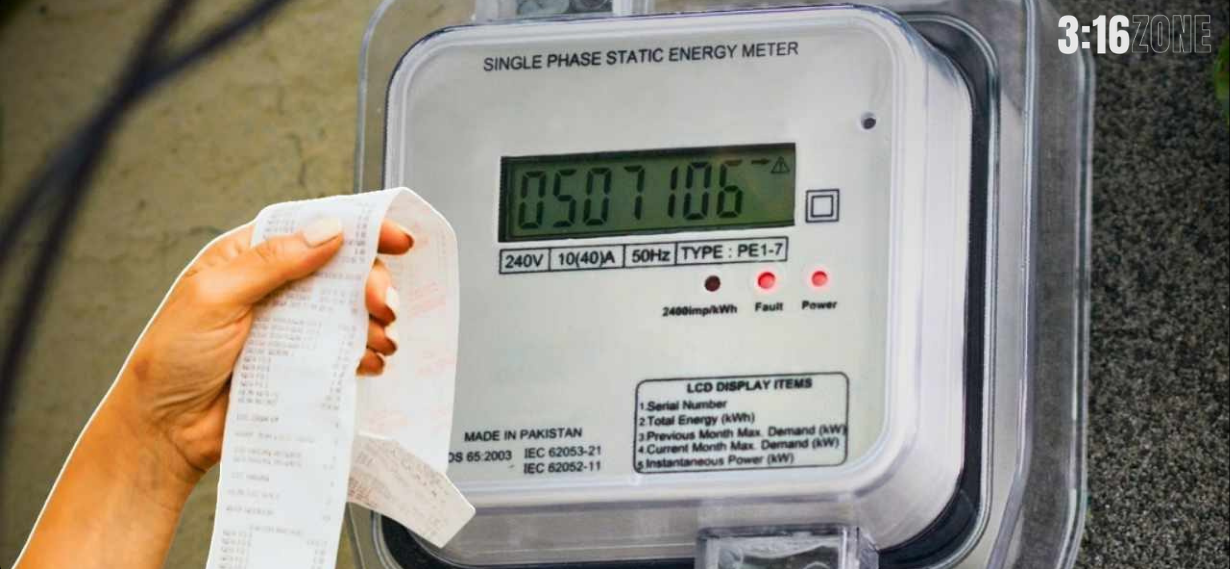
Electricity consumers across Pakistan are set to face higher utility bills in April as authorities move to recover a massive Rs14.37 billion fuel cost shortfall. The increase is expected to impact households and industries alike, adding further pressure amid rising living costs.
Why Electricity Bills Are Increasing in April
The price hike stems from a fuel cost adjustment submitted by the Central Power Purchasing Agency to the National Electric Power Regulatory Authority.
According to the submission, electricity consumers were charged significantly less than the actual fuel cost in February 2026.
An official stated:
“Consumers were billed at a lower reference fuel price, and the difference is now being recovered to balance the system.”
Key Figures Behind the Rs14.37 Billion Adjustment
The financial gap emerged due to a difference between estimated and actual fuel costs:
- Reference fuel price: Rs6.73 per unit
- Actual generation cost: Rs8.37 per unit
- Difference: Rs1.64 per unit
With total electricity consumption recorded at 7.43 billion units, the base adjustment reached Rs12.18 billion. After including taxes such as GST, the total burden rose to Rs14.37 billion.
Who Will Be Affected by the Increase
The additional cost will be passed on to:
- Residential consumers facing higher monthly bills
- Industrial sectors dealing with increased production costs
- Commercial users experiencing rising operational expenses
Experts warn that such adjustments can contribute to broader inflation, as higher energy costs often lead to increased prices of goods and services.
Impact on Economy and Daily Life
The increase in electricity bills comes at a time when many citizens are already struggling with inflation. The added financial burden may:
- Reduce household purchasing power
- Increase cost of doing business
- Put pressure on small and medium enterprises
Energy analysts suggest that recurring fuel adjustments highlight the need for long-term reforms in Pakistan’s power sector, including better fuel procurement strategies and increased reliance on renewable energy.
Current Situation and Ongoing Energy Challenges
Pakistan continues to face persistent energy challenges, including fluctuating fuel prices and circular debt issues. The latest adjustment reflects a broader effort by regulators to ensure cost recovery and maintain the sustainability of the power sector.
Authorities maintain that such adjustments are necessary to prevent further financial imbalances in the energy system.
Conclusion – 316 Zone
The Rs14.37 billion adjustment in electricity bills is a significant development that will directly impact millions of consumers across Pakistan. While the move is aimed at recovering actual fuel costs, it adds to the financial strain on households and businesses.
Moving forward, sustainable energy policies and improved cost management will be crucial to reducing the frequency of such price hikes and ensuring affordability for consumers.
FAQs
How much extra burden will consumers face?
Consumers will collectively bear an additional burden of Rs14.37 billion through April electricity bills.
What is the per unit increase?
The adjustment is based on a difference of Rs1.64 per unit between reference and actual fuel costs.
Who approved the adjustment?
The adjustment was submitted by the Central Power Purchasing Agency and reviewed by the National Electric Power Regulatory Authority.
Will this affect all consumers?
Yes, the increase will impact residential, commercial, and industrial electricity users.
Is this a permanent increase?
No, fuel cost adjustments are typically temporary and vary depending on changes in fuel prices and electricity generation costs.