
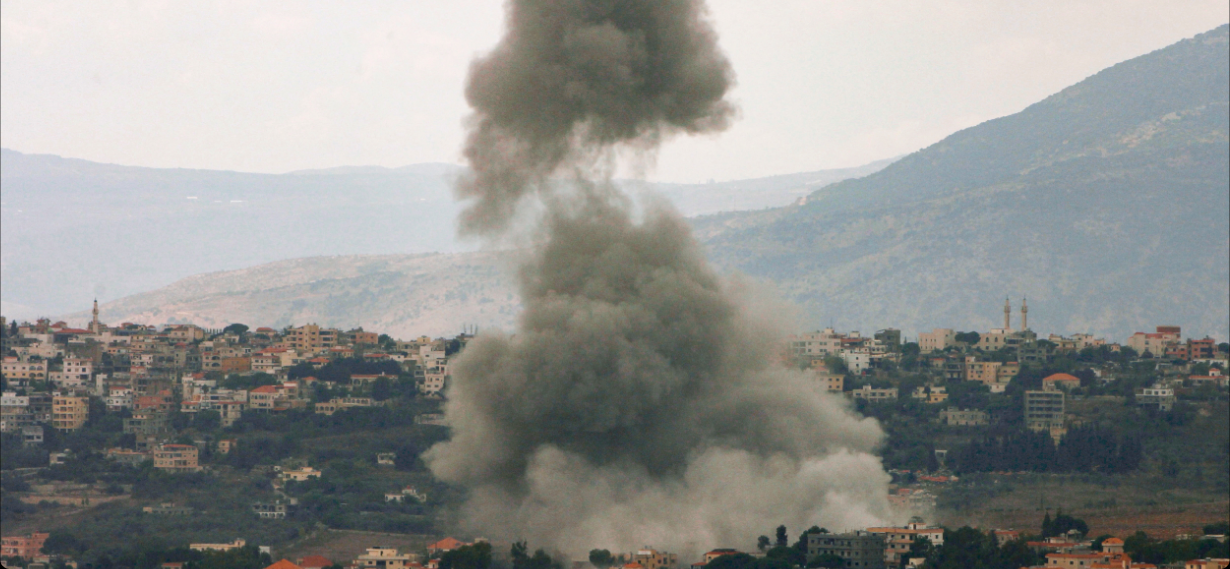
In a serious escalation in the Middle East, Israel has carried out fresh airstrikes on Lebanon, raising concerns about the stability of the recently announced ceasefire between the United States and Iran.
According to international reports, Israeli forces targeted multiple locations in Lebanon, including areas linked to Hezbollah, despite the ongoing diplomatic efforts to reduce tensions in the region. The latest strikes come just a day after some of the heaviest attacks in the conflict, which resulted in significant casualties and widespread destruction.
Israeli officials have maintained that their operations in Lebanon are separate from the US-Iran ceasefire, stating that the truce does not apply to their campaign against Hezbollah. This position has created confusion, as some countries, including Pakistan and Iran, have suggested that the ceasefire framework should extend to Lebanon as well.
Reports indicate that the renewed strikes have further worsened the humanitarian situation, with civilian areas affected and emergency services under pressure. Hospitals in major cities have struggled to cope with the influx of injured, while international organisations have raised alarm over the rising death toll.
The continued military action has also triggered retaliatory threats from Hezbollah, increasing fears that the conflict could expand beyond its current scope. Analysts warn that if hostilities persist, the fragile ceasefire between Washington and Tehran could collapse, leading to a broader regional crisis.
The situation remains highly volatile, with diplomatic efforts ongoing to preserve the ceasefire and prevent further escalation. However, the latest developments highlight the complexity of the conflict, where multiple fronts and differing interpretations of agreements continue to challenge peace efforts.
Observers say the coming days will be critical in determining whether the ceasefire can hold or if renewed violence will push the region toward a wider confrontation.