
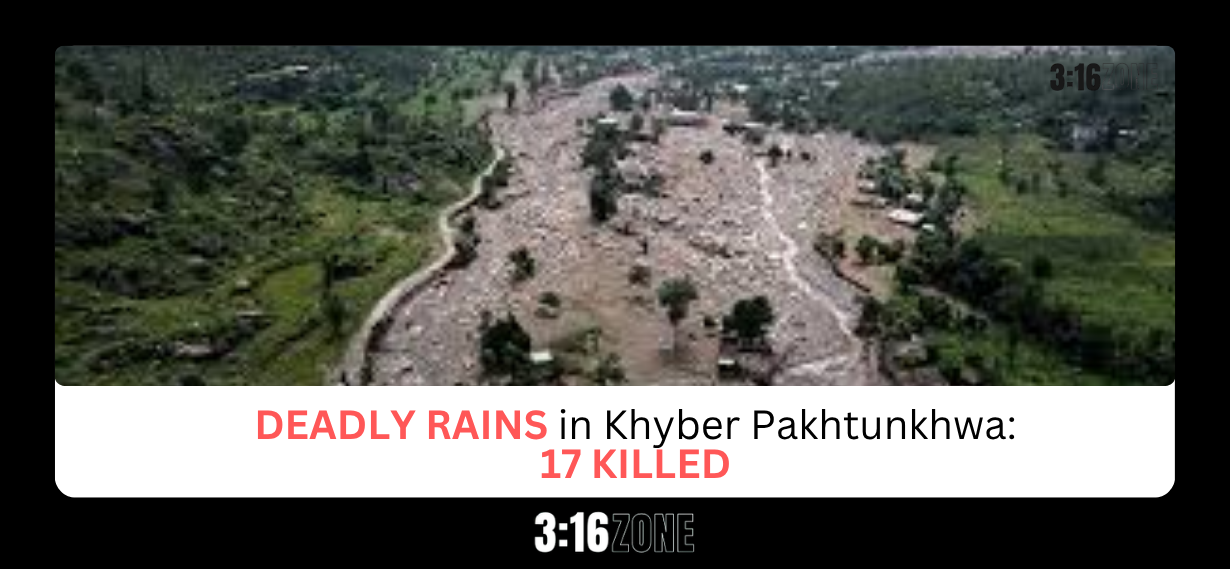
Severe weather has struck Khyber Pakhtunkhwa, claiming at least 17 lives as heavy rains caused roofs to collapse in multiple districts. The tragedy highlights both the intensity of the monsoon season and vulnerabilities in residential infrastructure.
Heavy Rains Trigger Roof Collapses and Fatalities
The torrential rains began earlier this week, affecting both urban and rural areas. Authorities reported that most fatalities resulted from roof collapses in weakly constructed homes, with several others injured and in critical condition. Emergency response teams have been deployed to rescue trapped residents and provide immediate medical assistance.
A spokesperson from the Provincial Disaster Management Authority (PDMA) stated:
“We are mobilizing all available resources to rescue affected families and provide temporary shelters. Residents should remain indoors and follow safety instructions.”
Infrastructure and Urban Vulnerabilities Exposed
The heavy rainfall has exposed serious weaknesses in the region’s infrastructure. Many homes in the affected districts were made with substandard materials, making them unable to withstand prolonged rain.
Urban flooding has blocked roads, disrupted electricity, and forced schools and businesses to close temporarily. Local authorities warn that further rainfall could exacerbate the situation.
Government and Emergency Response
Provincial authorities, along with rescue organizations, are coordinating relief efforts. Medical aid, temporary shelters, and food supplies are being provided to displaced families. The government has urged citizens to avoid traveling in high-risk areas and stay alert to emergency announcements.
Experts emphasize that stricter enforcement of building codes and improved infrastructure are essential to prevent similar tragedies in the future.
Current Situation and Ongoing Risks
Meteorological reports indicate that intermittent rains may continue in Khyber Pakhtunkhwa over the next several days. Landslides and urban flooding remain a concern, particularly in mountainous and densely populated areas. Authorities are advising residents to stay in structurally sound buildings and take precautionary measures to protect lives.
Conclusion – 316 Zone
The recent rains in Khyber Pakhtunkhwa have revealed the deadly combination of extreme weather and inadequate infrastructure. While rescue efforts continue, this disaster underscores the urgent need for resilient housing, stricter building standards, and proactive disaster management strategies. Ensuring safety in flood- and rain-prone areas is essential to prevent similar tragedies in the future.
FAQs
How many people have died so far?
At least 17 fatalities have been reported, with more possible as rescue operations continue.
Which areas are most affected?
Multiple districts across Khyber Pakhtunkhwa, especially rural and mountainous regions, have been heavily impacted.
Is more rain expected in the coming days?
Yes, meteorological forecasts suggest intermittent rainfall, increasing the risk of further incidents.
What safety measures should residents take?
Residents are advised to stay indoors, avoid traveling in risky areas, and stay in structurally sound buildings.
How is the government responding?
Provincial authorities and disaster management teams are providing medical aid, temporary shelter, food supplies, and monitoring ongoing weather conditions.