
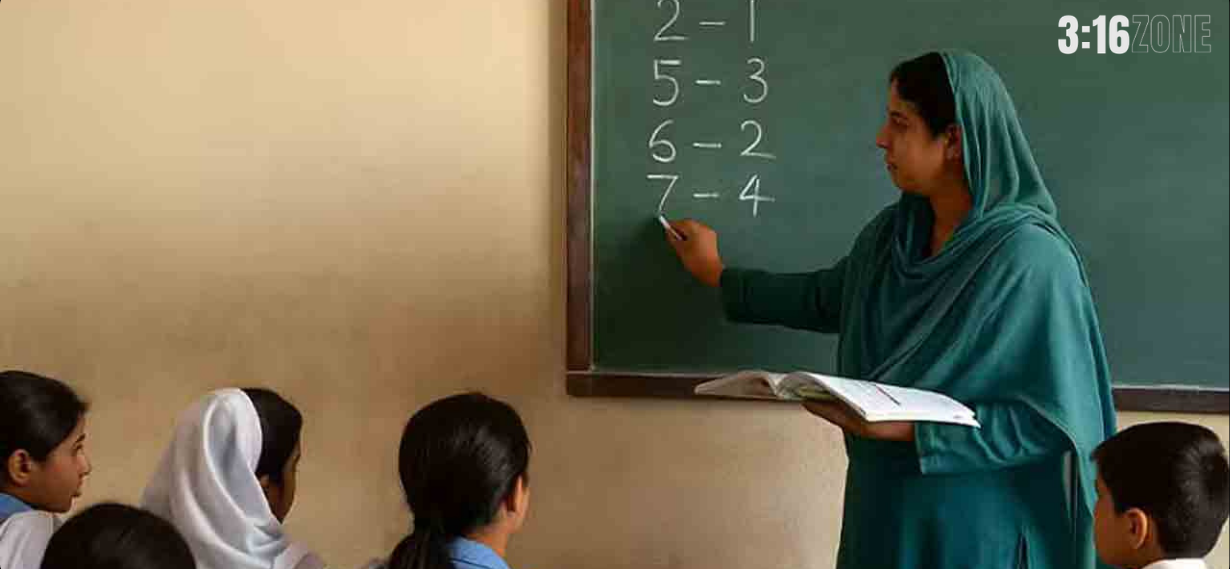
In a major shift aimed at reducing costs, the government of Khyber Pakhtunkhwa has announced that public schools will now operate on a four-day working week, granting students three consecutive holidays every week. The decision, effective from April 1, 2026, is being seen as a significant policy change in the province’s education system.
New School Schedule and Timings in Khyber Pakhtunkhwa
According to the Department of Secondary and Elementary Education, Fridays, Saturdays, and Sundays will be observed as weekly holidays for all public schools.
The revised school timings are as follows:
- Primary schools: 7:30 am to 1:35 pm
- Middle schools: 7:30 am to 2:35 pm
- High and higher secondary schools: 7:30 am to 3:00 pm
Officials stated that the adjusted schedule is designed to maintain academic continuity while optimizing operational efficiency.
Why the Government Introduced a 4-Day School Week
Authorities have linked the decision to rising fuel prices and resource constraints, which have increased the cost of running schools across the province.
An official from the education department stated:
“The revised schedule will help reduce transportation and operational expenses while ensuring that learning outcomes are not compromised.”
The move is part of broader efforts to manage public spending amid economic challenges.
Impact on Students, Teachers, and Families
The new four-day school week is expected to have mixed effects:
- Students may benefit from extended rest periods but could face longer daily academic hours.
- Teachers may need to adjust lesson plans to fit the compressed schedule.
- Parents could see reduced transportation costs but may need to manage children at home for longer periods.
Education experts believe that the success of this policy will depend on how effectively schools utilize the reduced number of working days.
Comparison with Punjab’s Education Policy
While Khyber Pakhtunkhwa has adopted a four-day school week, Punjab has taken a different approach.
Schools in Punjab reopened on April 1, 2026, with a full five-day schedule, as confirmed by Rana Sikandar Hayat.
The minister also rejected proposals for hybrid or reduced school weeks, emphasizing the importance of regular academic routines. Additionally, authorities are monitoring 246 matriculation exam centers using CCTV cameras to ensure transparency.
Current Situation and Broader Implications
The decision in Khyber Pakhtunkhwa reflects a growing trend of cost-cutting measures in public sectors due to economic pressures. It also raises important questions about balancing financial constraints with educational quality.
As inflation and energy costs continue to rise in Pakistan, similar policies could be considered in other regions if proven effective.
Conclusion – 316 Zone
The introduction of a four-day school week in Khyber Pakhtunkhwa marks a bold step toward managing rising operational costs in the education sector. While the policy offers financial relief, its long-term success will depend on maintaining academic standards and ensuring that students do not fall behind.
As provinces adopt different approaches, the effectiveness of these strategies will likely shape the future of education policy across Pakistan.
FAQs
What are the new school holidays?
Fridays, Saturdays, and Sundays will now be weekly holidays for public schools in the province.
Will academic quality be affected?
Authorities claim the revised schedule will maintain educational standards, but its success will depend on effective implementation.
How does this compare to Punjab’s policy?
Punjab continues to follow a full five-day school week and has rejected proposals for reduced schedules.
When did the new policy take effect?
The new four-day school week started on April 1, 2026.
Could other provinces adopt similar measures?
If successful, other provinces facing similar economic challenges may consider implementing similar policies.