
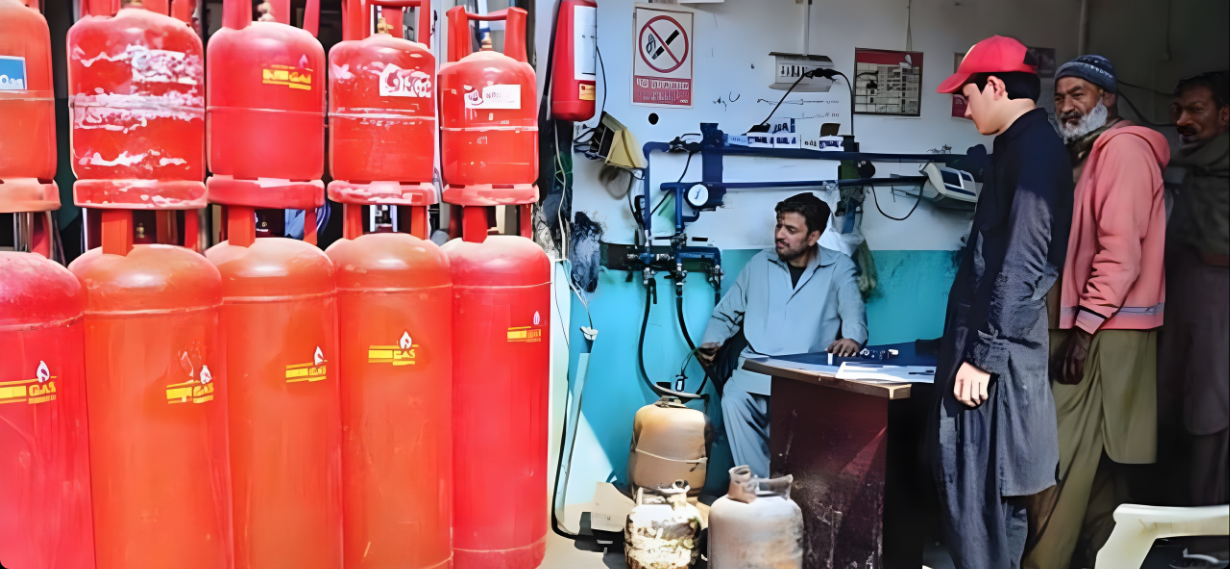
In a worrying development for consumers, prices of Liquefied Petroleum Gas (LPG) have surged past Rs 500 per kilogram in several major cities across Pakistan, significantly exceeding the officially notified rates and adding to the financial strain on households.
According to market reports, LPG is currently being sold between Rs 500 and Rs 510 per kg in cities such as Lahore and Multan, while retailers are reportedly receiving supply at rates close to Rs 480–490 per kg.
The sharp increase has created a wide gap compared to the official price, which stands at around Rs 304 per kg. This means consumers are paying nearly Rs 200 extra per kilogram, raising serious concerns about overpricing and regulatory enforcement.
Market sources attribute the spike to supply shortages and higher procurement costs faced by distributors. Industry representatives have also pointed to weak regulation and lack of effective monitoring as key factors behind the uncontrolled rise in prices.
Consumers in different parts of the country have expressed frustration over the situation, alleging that the so-called LPG mafia is taking advantage of the supply gap to earn excessive profits. Many have called on the Oil and Gas Regulatory Authority (OGRA) to take immediate action against overcharging and ensure availability at official rates.
The surge in LPG prices has had a direct impact on daily life, particularly for households already dealing with gas shortages. In several areas, residents have been forced to rely on LPG cylinders for cooking, further increasing their monthly expenses.
Experts warn that unless supply issues are addressed and strict enforcement measures are implemented, prices may remain elevated in the coming weeks. The situation highlights broader challenges in Pakistan’s energy sector, where fluctuations in supply and weak oversight continue to affect consumers.
The latest spike in LPG prices adds to the growing economic pressure on citizens, as inflation and rising fuel costs continue to impact everyday living across the country.