
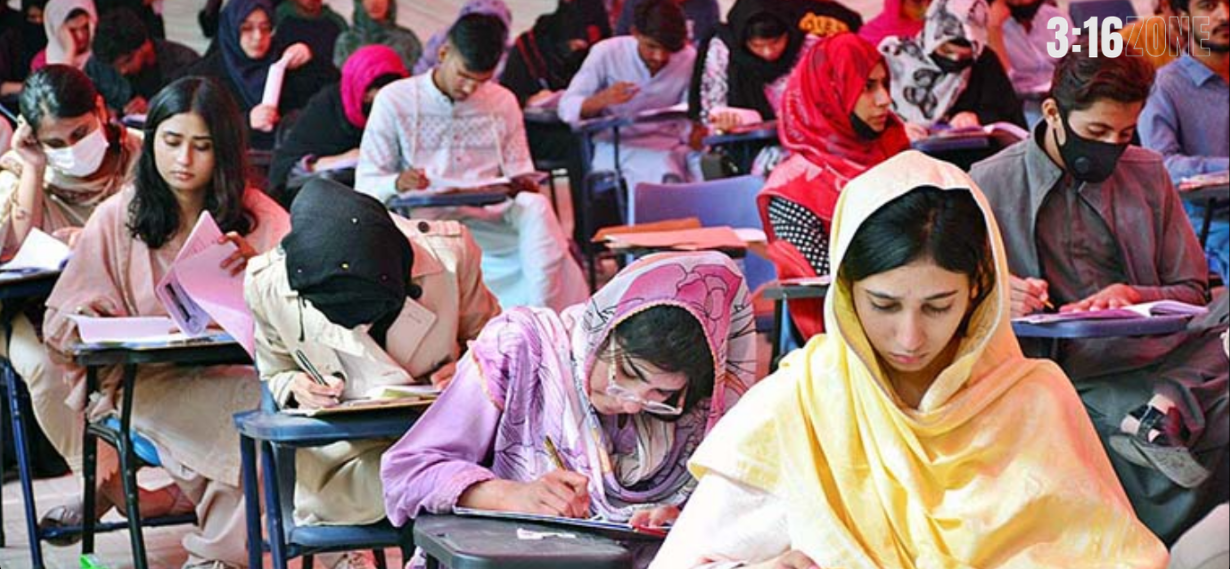
The Pakistani government has unveiled a major reform in the medical admission process, announcing that the MDCAT test from 2027 will be conducted within just six days of FSc results. The decision, revealed by Mustafa Kamal, is expected to significantly disrupt the business model of private coaching centers across the country.
What Is MDCAT and Why It Matters in Pakistan
The Medical and Dental College Admission Test is a mandatory examination for students seeking admission into public and private medical and dental colleges in Pakistan.
It plays a crucial role in ensuring merit-based admissions for programs like MBBS and BDS, making it one of the most competitive exams in the country.
New MDCAT Policy 2027 Explained
According to the Federal Health Minister, starting from 2027, the MDCAT will be held within six days of the FSc results announcement. This marks a significant shift from the current system, where students typically have several months to prepare after their intermediate exams.
Mustafa Kamal stated:
“Conducting MDCAT immediately after results will ensure fairness and reduce reliance on external coaching systems.”
Major Blow to Coaching Centers
The new timeline is expected to directly impact private coaching centers, which traditionally relied on the extended preparation gap to enroll students.
These centers often charge high fees, promising improved scores and better chances of securing admission in top medical colleges. With the shortened preparation window:
- Students will have limited time to enroll in coaching programs
- The demand for expensive preparatory courses may decline
- Parents could save significant amounts of money
Education analysts believe this move could reshape the test preparation industry in Pakistan.
Student and Parent Impact
The policy is being viewed as a relief for many families, especially those struggling with the financial burden of coaching fees.
However, some students have expressed concerns about the reduced preparation time, arguing that:
- It may increase pressure immediately after board exams
- Students relying on structured coaching may feel disadvantaged
Experts suggest that students will need to focus on consistent preparation during their FSc studies rather than relying on post-exam coaching.
Previous MDCAT Statistics and Context
Data from the University of Health Sciences highlights the scale and competitiveness of the exam.
In the 2025 MDCAT held on October 26:
- 47,772 candidates appeared
- 42,048 candidates scored above 50%, passing the test
- 39,648 candidates secured over 55%, meeting eligibility for MBBS admissions
These figures show the intense competition and the importance of preparation strategies.
Relevance to Current Education Trends
The decision aligns with broader efforts to increase transparency and reduce commercialization in education. By limiting the influence of coaching centers, the government aims to create a more level playing field.
This move also reflects a shift toward self-study and curriculum-based preparation, similar to trends seen in other competitive education systems globally.
Conclusion – 316 Zone
The announcement of the MDCAT 2027 schedule marks a significant turning point in Pakistan’s medical education system. While it poses challenges for coaching centers, it offers financial relief to families and promotes a fairer admission process.
As the policy takes effect, students will need to adapt by focusing on consistent academic preparation rather than relying on last-minute coaching. The long-term success of this reform will depend on how effectively it balances fairness, accessibility, and student readiness.
FAQs
Who announced the MDCAT 2027 schedule?
The announcement was made by Federal Health Minister Mustafa Kamal.
How will this affect coaching centers?
The shorter preparation time is expected to reduce student enrollment in coaching centers, impacting their business.
Will students have enough time to prepare?
Students will need to prepare during their FSc studies, as there will be limited time after results.
What were the MDCAT 2025 statistics?
Over 47,000 students appeared, with more than 42,000 passing the test.
Is this policy beneficial for students?
It can reduce financial burden and promote merit-based preparation, but may increase academic pressure.