
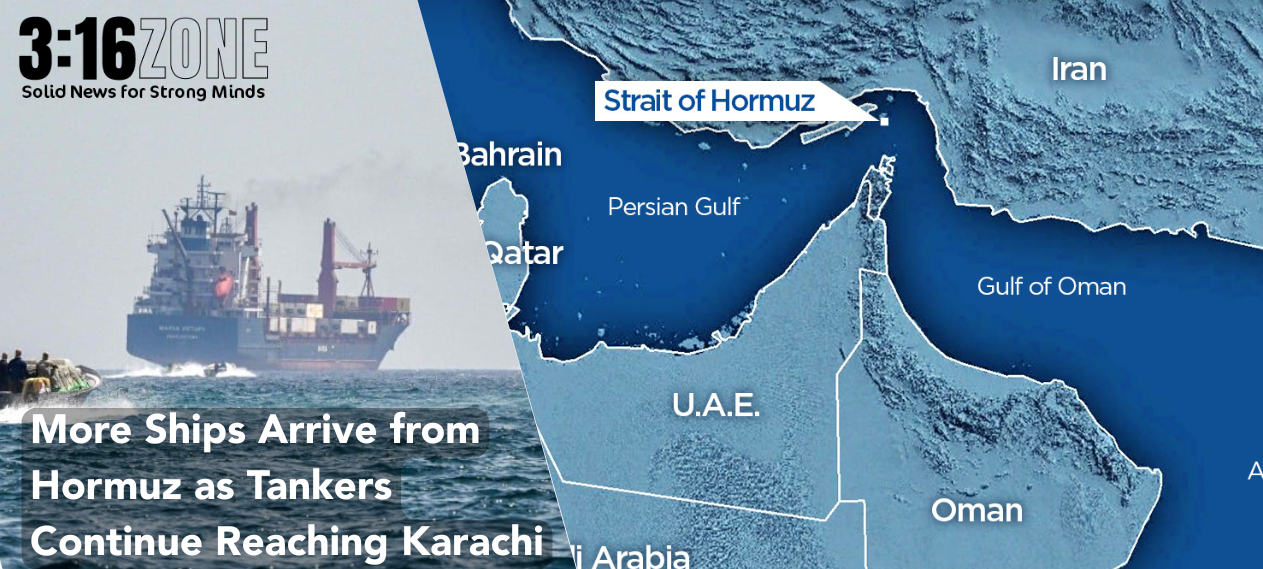
Pakistan’s energy sector has received a notable boost as multiple oil tankers continue to arrive through the Strait of Hormuz and dock at the Port of Karachi. This steady flow of shipments is being viewed as a positive development for the country’s fuel supply system, especially at a time when stability in energy availability remains a key concern.
The consistent arrival of vessels carrying crude oil and refined petroleum products reflects improved coordination in import planning. It also suggests that authorities are actively working to ensure uninterrupted fuel distribution across major cities and industrial zones.
What’s Happening Right Now
In recent days, several oil tankers have reached Karachi after passing through one of the world’s busiest and most strategically important maritime routes. Port operations have handled the incoming traffic efficiently, allowing for smooth unloading and timely processing of cargo.
This increase in tanker arrivals indicates that Pakistan’s supply chain is functioning more effectively than before. It also provides reassurance that fuel reserves are being maintained at levels sufficient to meet current demand.
Why the Strait of Hormuz Matters
The Strait of Hormuz plays a critical role in global energy trade. A significant portion of the world’s oil supply passes through this narrow waterway, connecting oil-producing regions in the Middle East with international markets.
For Pakistan, the importance of this route cannot be overstated. Any disruption in this passage can have immediate consequences on fuel imports, potentially leading to shortages and price instability. The continued smooth movement of tankers through this corridor is therefore essential for maintaining economic balance.
Role of Karachi Port in Pakistan’s Energy Supply
The Port of Karachi serves as a central hub for the country’s oil imports. Equipped with specialized terminals and storage facilities, it handles a large share of incoming fuel shipments. From here, petroleum products are distributed to different regions through an established logistics network.
The recent increase in tanker activity highlights the port’s operational capacity and its ability to manage high volumes without disruption. This efficiency is vital for ensuring that supply chains remain uninterrupted.
Impact on Pakistan’s Economy
A steady inflow of oil shipments has a direct impact on economic stability. When fuel supply remains consistent, it reduces the likelihood of shortages that can disrupt transportation, manufacturing, and other key sectors.
Stable imports also contribute to controlling fluctuations in fuel prices. While global oil markets continue to influence pricing, maintaining a reliable supply allows authorities to manage domestic conditions more effectively. This, in turn, supports overall economic activity and reduces uncertainty for businesses.
What This Means for the Future
If the current trend continues, Pakistan may be able to strengthen its energy security over time. Consistent imports provide an opportunity to build reserves and improve long-term planning strategies.
There is also potential for further development in infrastructure, including enhanced storage capacity and better supply chain management. These improvements can help the country respond more effectively to future challenges in the global energy market.
Challenges to Watch
Despite the positive outlook, certain risks remain. Global oil prices can fluctuate due to international economic conditions, while geopolitical tensions in key regions may affect shipping routes. Additionally, exchange rate pressures can influence the overall cost of imports.
These factors highlight the need for careful planning and diversification within the energy sector to ensure long-term stability.
Final Thoughts – 316 Zone
At 316 Zone, the continued arrival of oil tankers from the Strait of Hormuz to Karachi represents a reassuring development for Pakistan’s energy landscape. It reflects improved supply chain management and demonstrates a proactive approach to maintaining fuel availability.
While uncertainties in the global market cannot be ignored, the current flow of shipments provides a positive signal that the country is moving toward greater stability in its energy sector. Staying informed and prepared will remain essential as the situation evolves.
FAQs
How important is Karachi Port for oil imports?
Karachi Port is one of the primary entry points for fuel imports and plays a crucial role in distributing petroleum products nationwide.
Will increased tanker arrivals reduce fuel shortages?
A steady flow of shipments helps maintain supply levels and reduces the chances of shortages across the country.
Can this affect fuel prices in Pakistan?
Consistent supply can help stabilize fuel prices by preventing sudden disruptions, although global oil rates also influence pricing.
Why is the Strait of Hormuz important globally?
It is one of the most critical oil transit routes in the world, with a large percentage of global oil passing through it.
Are there risks to oil shipments?
Yes, risks include geopolitical tensions, global market changes, and shipping disruptions, but current operations appear stable.