
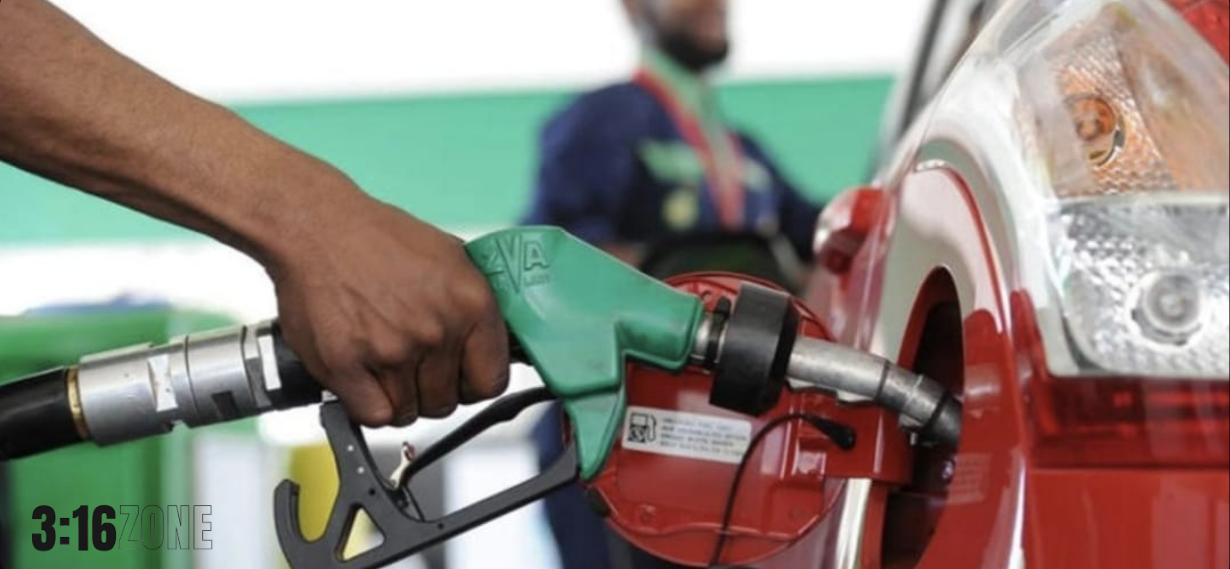
Pakistan is bracing for another increase in petrol and diesel prices, as federal and provincial governments move closer to revising fuel rates in response to rising international costs. The expected hike, which could be announced within days, is part of a broader strategy to manage subsidies while protecting vulnerable groups such as bikers and farmers.
Government Moves Toward Fuel Price Adjustment
The decision follows a high-level meeting led by Muhammad Aurangzeb, attended by provincial leadership and key economic officials. The discussion focused on how to balance rising global fuel prices with domestic affordability.
A senior official stated:
“Prices of both petrol and diesel are set to go up within days. The quantum of increase is being worked out based on global market trends.”
Authorities are considering whether to fully pass on international price increases to consumers or apply partial adjustments to reduce the immediate burden.
Current Price Gap and Proposed Increase
Officials revealed that there is currently a significant gap between actual and subsidized fuel prices:
- Around Rs100 per litre gap for petrol
- Over Rs200 per litre gap for diesel
Discussions are ongoing to determine whether the full petrol increase and partial diesel increase should be implemented. Final figures are expected after calculations from the Oil and Gas Regulatory Authority and the Petroleum Division.
Subsidy Strategy and Financial Burden
The government has already spent approximately Rs129 billion in fuel subsidies over the past three weeks, with a total ceiling of Rs158 billion planned.
To share the financial burden, provinces including Punjab, Sindh, Balochistan, and Khyber Pakhtunkhwa have agreed to contribute based on population and consumption levels.
Weekly subsidies are estimated between Rs15 to Rs18 billion and could rise to Rs30 billion until the end of the fiscal year on June 30.
Relief Measures for Bikers and Farmers
Despite the anticipated price hike, the government plans to maintain targeted subsidies for key groups:
- Bikers will receive subsidized petrol with rationing limits to ensure fair distribution
- Farmers will benefit from subsidized diesel, particularly through schemes like Sindh’s Hari card system
Other provinces are expected to introduce similar initiatives to support the agricultural sector and low-income commuters.
Impact on Public and Economy
The expected fuel price increase could have widespread implications:
- Transportation costs may rise, affecting daily commuters
- Inflationary pressure could increase as fuel impacts goods and services
- Businesses and industries may face higher operational costs
However, the decision to maintain subsidies for vulnerable groups may help cushion the impact for essential sectors.
Current Situation and Policy Direction
The move comes at a time when Pakistan is facing economic challenges, including inflation and fiscal constraints. The government is attempting to strike a balance between reducing subsidy expenditure and protecting citizens from sharp price shocks.
Authorities also confirmed that Bus Rapid Transit fares will not be increased, offering some relief to urban commuters, although disparities may persist in less developed areas.
Conclusion – 316 Zone
The anticipated increase in petrol and diesel prices reflects the government’s effort to manage rising global fuel costs while maintaining fiscal stability. While the move may place additional pressure on consumers, targeted subsidies for bikers and farmers aim to ease the burden on vulnerable groups.
The coming days will be crucial as final prices are announced, shaping the economic outlook and daily expenses for millions across the country.
FAQs
Why are fuel prices increasing in Pakistan?
The increase is due to rising international fuel costs and the government’s decision to reduce subsidy burdens.
Will all consumers be affected equally?
No, the government plans to provide targeted subsidies for bikers and farmers to reduce the impact on these groups.
How much is the current price gap?
There is an estimated gap of Rs100 per litre for petrol and over Rs200 per litre for diesel.
Will public transport fares increase?
Authorities have stated that Bus Rapid Transit fares will not be increased for now.
What role do provinces play in this decision?
Provinces are sharing the subsidy burden based on population and fuel consumption levels.