
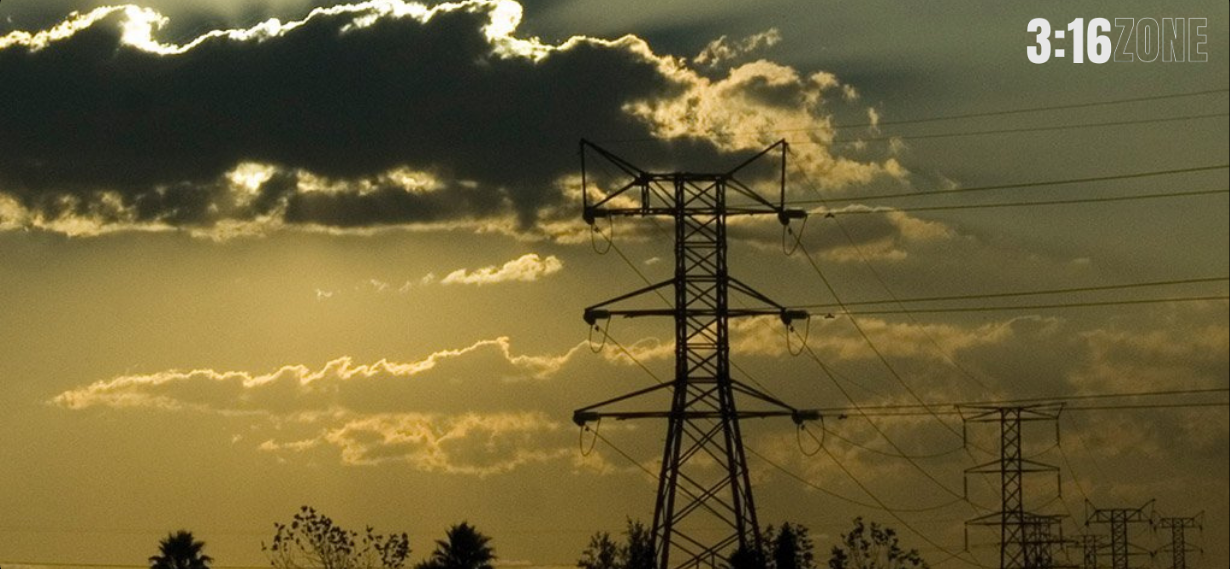
The Pakistani government has announced plans for load-shedding and increased electricity rates as it braces for a severe summer power shortfall. Rising demand during the scorching summer months, coupled with limited power generation capacity, is forcing authorities to take measures to prevent widespread blackouts.
Causes of the Summer Power Shortfall
Experts explain that the shortfall is driven by multiple factors:
- High electricity demand due to increased use of air conditioners and cooling systems.
- Limited power generation capacity in both thermal and hydropower sectors.
- Fuel supply constraints affecting thermal plants.
A spokesperson from the National Electric Power Regulatory Authority (NEPRA) stated:
“We are carefully planning load management to ensure that the shortfall is minimized, while also keeping the public informed about any necessary power interruptions.”
Government’s Proposed Measures
To manage the deficit, the government plans:
- Scheduled load-shedding across high-demand areas.
- Increased electricity tariffs to discourage excessive consumption and stabilize the energy sector.
- Boosting power generation by optimizing thermal and hydropower plants where possible.
Energy analysts have emphasized that while these measures are necessary, they may create short-term hardships for households and businesses.
Impact on Households and Businesses
Load-shedding and rising electricity rates are likely to affect daily life and economic activity:
- Residential consumers may face intermittent power cuts, especially in urban centers.
- Businesses and industries could experience operational disruptions, impacting productivity and profits.
- Rural areas may experience longer outages due to infrastructure limitations.
Experts suggest that consumers adopt energy-saving measures such as using energy-efficient appliances and reducing unnecessary power usage.
Context and Current Situation
Pakistan faces chronic energy challenges, especially during summer peaks. With temperatures expected to rise, the government aims to prevent an uncontrolled power crisis that could severely disrupt urban life.
The situation highlights the urgent need for long-term energy reforms, including investment in renewable energy, upgrading transmission infrastructure, and improving fuel supply chains.
Conclusion – 316 Zone
The summer power shortfall in Pakistan underscores the critical need for effective energy management. Load-shedding and electricity rate hikes are immediate steps to maintain system stability, but long-term solutions are essential to prevent recurring crises. Consumers are advised to stay informed, conserve energy, and prepare for scheduled outages to mitigate the impact on daily life.
FAQs
Will electricity rates increase?
Yes, authorities are planning to raise electricity tariffs to manage demand and support the energy sector financially.
Who will be affected by load-shedding?
Urban and rural households, businesses, and industries may experience intermittent power cuts, with durations depending on area and demand.
What can consumers do to reduce the impact?
Using energy-efficient appliances, reducing unnecessary electricity use, and staying updated on load-shedding schedules can help.
Is this a long-term solution?
No, this is a short-term measure. Long-term solutions include investment in renewable energy, upgrading infrastructure, and improving fuel supply management.