
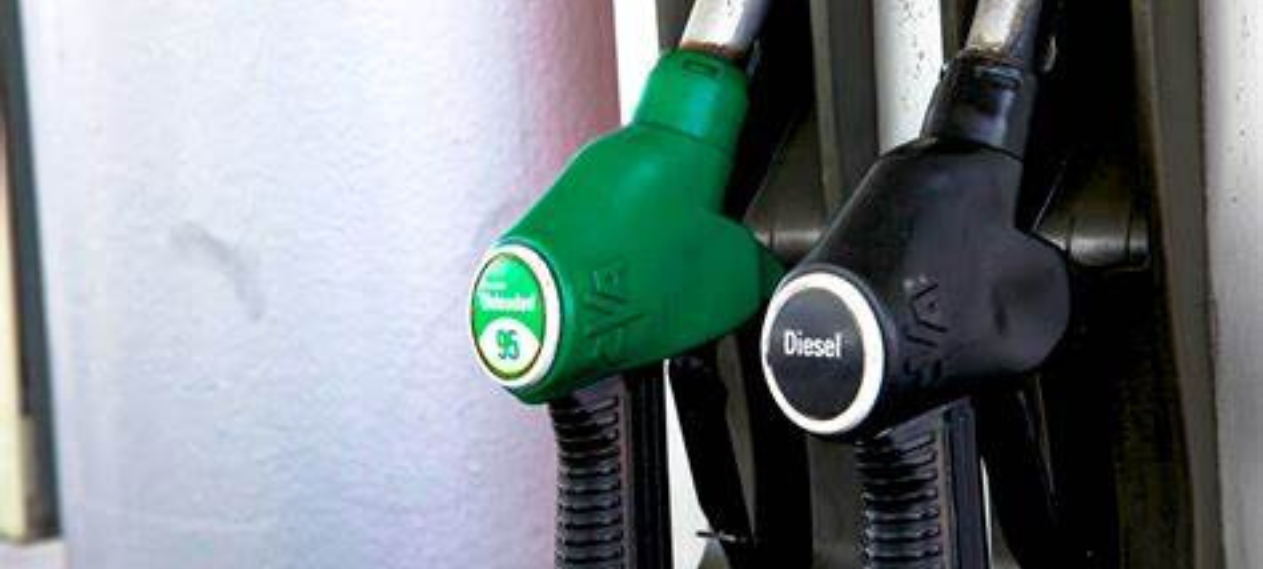
In a major economic development, the government of Pakistan has announced a sharp increase in petrol prices, pushing petrol to Rs 458 per litre and high-speed diesel to Rs 520.35. The decision, revealed by Finance Minister Muhammad Aurangzeb, marks one of the steepest hikes in the country’s history and is expected to have far-reaching consequences for inflation, transportation, and daily living costs.
Official Announcement and New Fuel Prices
The price revision was announced by Muhammad Aurangzeb in coordination with the Ministry of Petroleum.
Updated Fuel Rates
- Petrol: Increased by Rs 135 per litre, now Rs 458
- High-Speed Diesel: Increased significantly to Rs 520.35 per litre
This sudden rise has taken consumers and businesses by surprise, intensifying concerns over affordability and economic stability.
Why Fuel Prices Have Increased
IMF-Linked Economic Reforms
The price hike is closely linked to Pakistan’s commitments to the International Monetary Fund (IMF). The country has agreed to reduce subsidies and align domestic fuel prices with global market rates.
Global Oil Market Pressures
Fluctuations in international crude oil prices have also contributed to the increase, forcing the government to adjust local prices accordingly.
Currency Depreciation
The weakening of the Pakistani rupee against the US dollar has further increased the cost of importing petroleum products.
Government’s Position on the Price Hike
Officials have stated that the decision was necessary to stabilize the economy and meet international financial obligations.
A government representative emphasized that maintaining artificially low fuel prices would increase fiscal deficits and delay economic recovery efforts.
Impact on Citizens and Businesses
Rising Cost of Living
The increase in fuel prices is expected to trigger inflation across multiple sectors, including food, transportation, and utilities.
Transportation and Logistics
Higher diesel prices will directly affect goods transportation, leading to increased prices of essential commodities.
Pressure on Middle- and Low-Income Groups
Households already struggling with inflation may face additional financial stress as daily expenses rise.
Expert Analysis and Economic Implications
Economists warn that such a steep increase could have both short-term and long-term effects.
One economic analyst noted that while the move may help stabilize macroeconomic indicators, it could also slow down consumer spending and economic activity.
Another expert pointed out that aligning fuel prices with global rates is necessary but should be accompanied by targeted relief measures for vulnerable populations.
Relevance to Pakistan’s Current Economic Situation
Pakistan is currently navigating a challenging economic environment, marked by inflation, fiscal deficits, and external debt obligations.
The agreement with the International Monetary Fund requires structural reforms, including reducing energy subsidies. This fuel price adjustment reflects the government’s effort to meet those commitments.
Public Reaction and Concerns
The announcement has sparked widespread concern among citizens, with many expressing frustration over the rising cost of living.
Transporters, businesses, and daily commuters are expected to be among the most affected groups.
Conclusion – 316 Zone
The latest fuel price hike, pushing petrol to Rs 458 and diesel beyond Rs 520, represents a critical moment for Pakistan’s economy. While the decision aligns with international financial commitments and economic reforms, its immediate impact on inflation and public hardship cannot be ignored.
The coming weeks will be crucial in determining how the government balances economic stability with public relief measures.
FAQs
Why did the government increase fuel prices?
The increase is linked to IMF agreements, global oil price changes, and currency depreciation.
Who announced the fuel price hike?
Finance Minister Muhammad Aurangzeb announced the revised prices.
How will this affect daily life?
The hike is expected to increase transportation costs and overall inflation, impacting essential goods and services.
Is this price increase permanent?
Fuel prices may change based on global market trends and future government policies.