
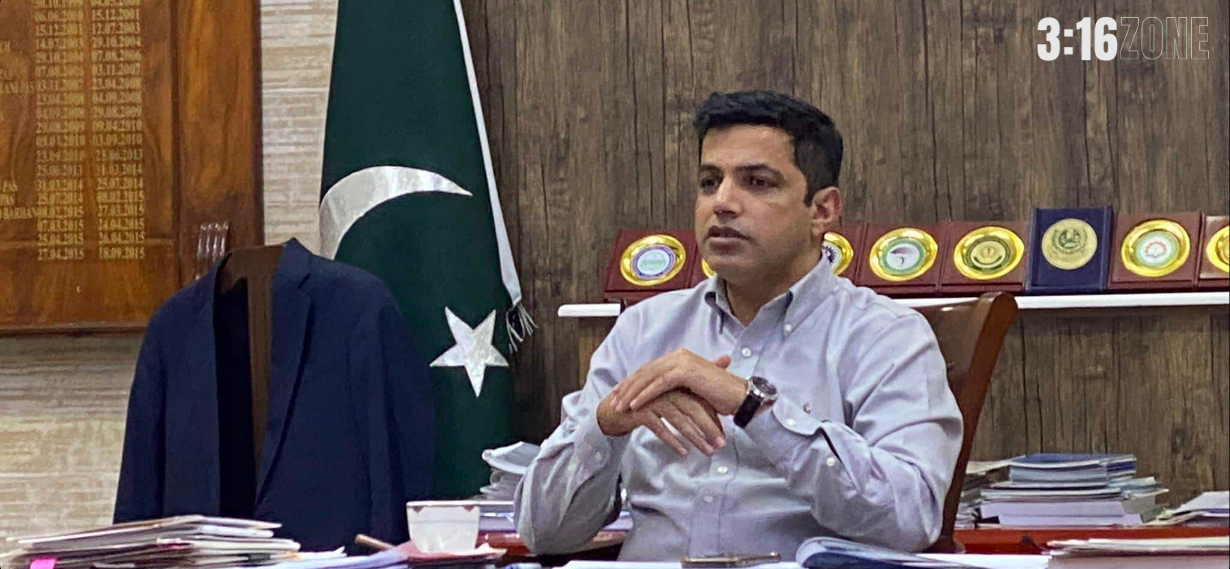
In a key administrative development, the federal government of Pakistan has appointed retired Lt. Sohail Ashraf as the new Chief Commissioner of Islamabad. The appointment comes at a crucial time as the capital city continues to face governance, infrastructure, and urban management challenges.
Official Appointment and Government Decision
The federal authorities confirmed the appointment of Sohail Ashraf as Chief Commissioner, placing him in charge of the administrative affairs of Islamabad Capital Territory.
This role is one of the most significant positions in the capital’s governance structure, responsible for overseeing development projects, maintaining law and order coordination, and ensuring efficient municipal services.
Role and Responsibilities of the Chief Commissioner
Administrative Leadership
The Chief Commissioner acts as the top administrative officer of Islamabad, supervising various departments and ensuring smooth governance across the city.
Urban Development and Planning
From infrastructure projects to zoning regulations, the office plays a central role in shaping Islamabad’s growth and urban planning strategies.
Public Service Delivery
The position is also responsible for improving essential services such as sanitation, water supply, and civic management for residents.
Background of Sohail Ashraf
Retired Lt. Sohail Ashraf brings extensive experience in public administration and governance. His prior service in key roles has equipped him with the expertise needed to handle complex administrative challenges.
Officials believe his leadership will contribute to more efficient decision-making and improved coordination among departments.
Why This Appointment Matters
Addressing Urban Challenges
Islamabad has been dealing with increasing population pressure, traffic congestion, and infrastructure demands. Strong administrative leadership is essential to tackle these issues.
Strengthening Governance
The appointment reflects the government’s focus on improving governance standards in the capital by placing experienced individuals in key positions.
Expert Opinions and Reactions
Administrative experts view the appointment as a positive move.
One governance analyst noted that experienced leadership at the commissioner level can significantly improve coordination between federal and local bodies.
Another expert highlighted the importance of continuity and accountability in addressing long-standing civic issues in Islamabad.
Impact and Implications
Expected Improvements
- Better coordination among civic agencies
- Faster execution of development projects
- Enhanced public service delivery
Key Challenges Ahead
- Managing rapid urban expansion
- Addressing environmental concerns
- Improving traffic and infrastructure systems
The success of Sohail Ashraf will largely depend on how effectively these challenges are handled.
Relevance to the Current Situation
With increasing urbanization and rising expectations from residents, Islamabad requires proactive governance. The appointment comes at a time when citizens are demanding better services, transparency, and efficient administration.
This move aligns with broader government efforts to strengthen institutional performance across major cities in Pakistan.
Conclusion
The appointment of retired Lt. Sohail Ashraf as Chief Commissioner marks an important step in reshaping Islamabad’s administrative framework. With growing urban challenges, effective leadership will be critical in ensuring sustainable development and improved quality of life for residents.
FAQs
Who is the new Chief Commissioner of Islamabad?
Retired Lt. Sohail Ashraf has been appointed as the new Chief Commissioner.
What does the Chief Commissioner do?
The Chief Commissioner oversees administrative affairs, development projects, and public service delivery in Islamabad.
Why is this appointment important?
It is crucial for improving governance, infrastructure, and overall management of the capital city.
Which area does the Chief Commissioner govern?
The role covers the Islamabad Capital Territory.
What challenges will the new commissioner face?
Key challenges include urban growth, traffic congestion, infrastructure development, and environmental management.