
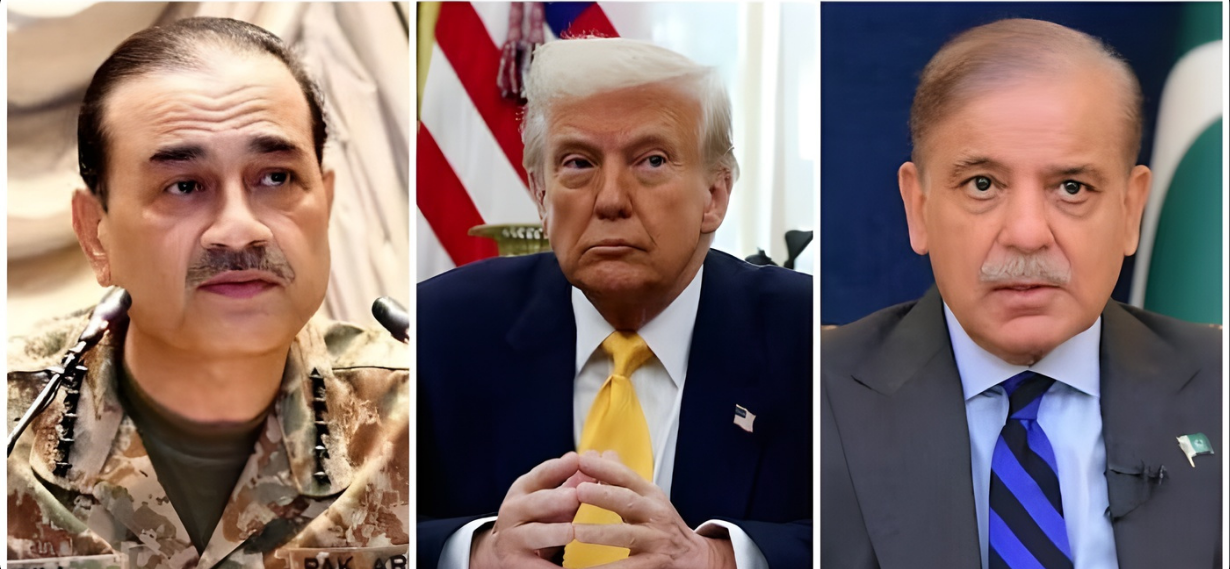
In a significant diplomatic development, Pakistan has been credited with playing a crucial behind-the-scenes role in facilitating the recent ceasefire between the United States and Iran, with analysts describing it as one of the country’s most notable diplomatic achievements in recent years.
According to reports, Pakistan maintained a low-profile but active engagement strategy, quietly establishing communication channels between Washington and Tehran at a time when both countries lacked direct diplomatic contact. This unique position allowed Islamabad to act as a bridge between the two adversaries.
Officials indicate that Pakistan moved swiftly after the conflict escalated, initiating diplomatic outreach across multiple capitals. Its role was further strengthened by the fact that it represents Iran’s interests in Washington, giving it access and influence in both countries simultaneously.
The efforts eventually contributed to a two-week ceasefire agreement, which halted planned military escalation and opened the door for further negotiations. Global observers noted that the breakthrough came just hours before a potential intensification of conflict, highlighting the urgency and impact of the mediation.
Experts believe Pakistan’s success was driven by its balanced relations with key stakeholders, including strong ties with the United States, ongoing engagement with Iran, and support from regional players. This positioning enabled Islamabad to gain trust on both sides and facilitate dialogue during a critical moment.
A Washington-based analyst described the outcome as “one of Pakistan’s biggest diplomatic wins in years,” noting that the country’s proactive yet discreet approach helped prevent a wider regional conflict.
The ceasefire also carries significant global importance, particularly due to the reopening of the Strait of Hormuz, a key route for international oil supplies. Any disruption in this corridor has immediate implications for global markets and energy security.
Observers say Pakistan’s role reflects a shift in its diplomatic posture, as it increasingly positions itself as a mediator in international conflicts. The development has been seen as a boost to the country’s global standing at a time of complex geopolitical challenges.
While the ceasefire remains temporary, analysts stress that it provides a critical opportunity for sustained dialogue. The coming weeks will determine whether the initial breakthrough can be transformed into a lasting agreement.
Pakistan’s quiet but effective diplomacy in this case underscores its growing relevance in global conflict resolution, marking a moment that could redefine its role on the international stage.